Snow Chains on Ice: Do They Work?
Nov 21, 2024

When it comes to driving on icy roads, safety is a top concern for many motorists. Snow chains are often recommended as a solution to improve traction and stability on such surfaces. But do snow chains actually work on ice? Let's delve into this question.
Understanding Snow Chains
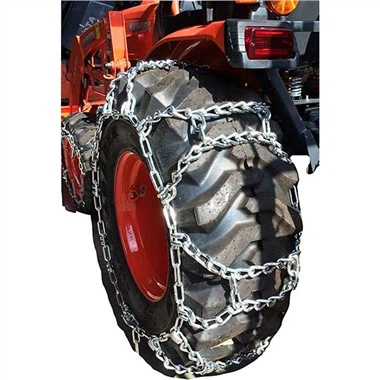
Snow chains are typically made of metal or other durable materials and are designed to be installed over vehicle tires. Their primary function is to create additional friction between the tires and the road surface, thereby preventing slipping and skidding.
Effectiveness on Ice
The effectiveness of snow chains on ice can vary depending on several factors:
Type and Quality of Snow Chains
Not all snow chains are created equal. Some are made of higher-quality materials and are designed specifically for icy conditions. These chains tend to provide better grip and durability, making them more effective on ice.
Condition of Tires
The condition of your tires can also impact the effectiveness of snow chains. Worn-out tires may not hold the chains as effectively as new or well-maintained tires. Ensuring that your tires are in good condition can help maximize the performance of snow chains.
Driving Speed
Driving too fast can reduce the effectiveness of snow chains. Most manufacturers recommend driving at speeds of 30-50 miles per hour (48-80 kilometers per hour) when using snow chains. Exceeding these speeds can cause the chains to come loose or break.
Weather Conditions
While snow chains are designed to improve traction on icy roads, they may not be necessary or even advisable in all weather conditions. For example, if the temperature is close to freezing and the ice is likely to melt, snow chains may not provide much benefit.
Pros and Cons of Using Snow Chains on Ice
Pros
- Improved Traction: Snow chains can significantly improve traction on icy roads, making it easier to control your vehicle.
- Increased Safety: By reducing slipping and skidding, snow chains can help prevent accidents on icy surfaces.
- Versatility: Snow chains can be used on various types of vehicles, including cars, trucks, and SUVs.
Cons
- Wear and Tear: Snow chains can cause wear and tear on your tires and vehicle undercarriage.
- Speed Limitations: Driving with snow chains can be slower and may require you to drive at reduced speeds.
- Installation Time: Installing snow chains can be time-consuming, especially in harsh weather conditions.
Conclusion
In summary, snow chains can be an effective tool for improving traction and stability on icy roads. However, their effectiveness can vary depending on the type and quality of the chains, the condition of your tires, your driving speed, and the specific weather conditions. If you plan to use snow chains on ice, be sure to choose high-quality chains, maintain your tires, drive at safe speeds, and consider the current weather conditions.